In New Jersey and across much of the Northeast, social isolation and suicide risk remain pressing concerns, particularly through the winter and early spring months. As therapists, we study the effects of sadness, loneliness, and suicidal thinking closely. Drawing on more than 14 years in acute care and over 10 years in brief treatment, I’ve seen firsthand how a culture that struggles to stay connected feeds directly into these outcomes.
A Global Public Health Crisis, Understudied
Suicide remains one of the most significant public health challenges in the world, and it still doesn’t receive the attention or research funding it deserves. Part of the reason is that the field has had limited theoretical frameworks to work from, which has made it harder to fully understand, predict, or intervene in suicidal behavior. The Interpersonal Theory of Suicidal Behavior helps fill that gap, offering a clearer lens on why someone moves toward suicidal acts, a perspective with real potential to reshape prevention and treatment.
Two Feelings That Overlap
The Interpersonal Theory, grounded in peer-reviewed research, holds that the strongest desire for suicide emerges when two experiences overlap at the same time:
- Thwarted belongingness — a profound sense of loneliness and a lack of meaningful social connection.
- Perceived burdensomeness — the belief that you are a liability to the people around you, leading to feelings of unworthiness or insignificance.
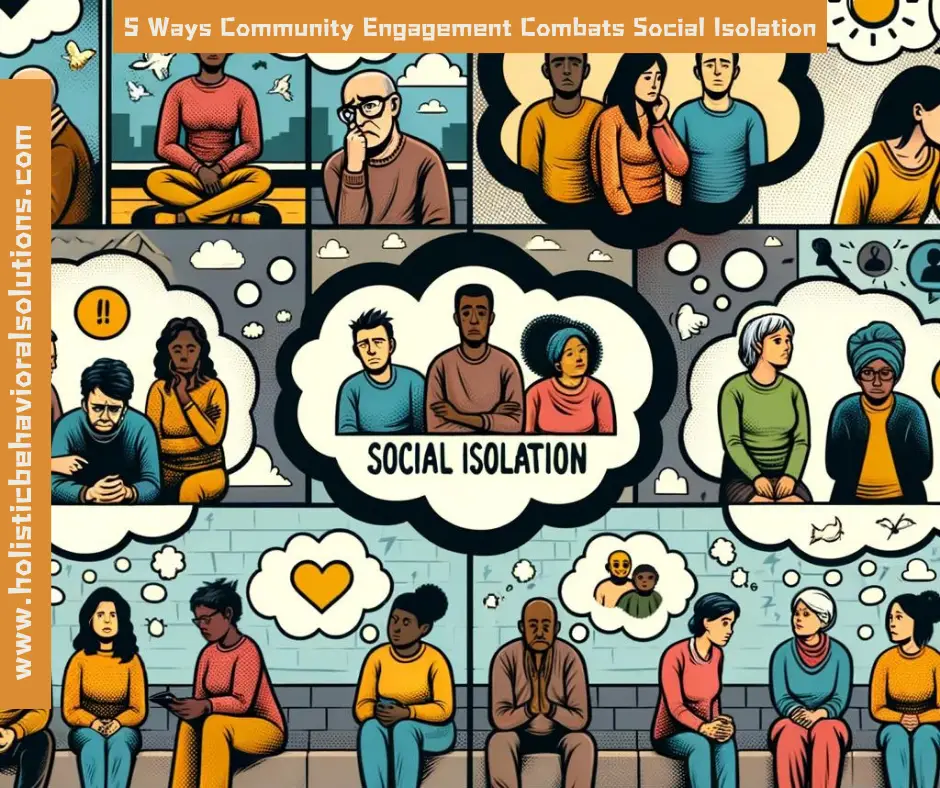
Social isolation makes both of these significantly worse. The theory adds one more piece: capability, the ability to actually act on suicidal thoughts, which tends to build over time through repeated exposure to pain and fear. That repeated exposure gradually lowers the natural fear response most people have toward self-harm. Desire alone rarely leads to an attempt. It’s the overlap of desire and capability that theorists point to as the most dangerous combination.
Why the Research Is Hard to Do, and Why It Still Matters
Suicide accounts for roughly 1 in every 100 deaths worldwide, a statistic that likely understates the true total given underreporting. Studying suicidal behavior directly comes with real constraints: base rates are low enough that studies need very large sample sizes for reliable data, and ethical safeguards understandably limit how researchers can involve people currently experiencing suicidal thoughts in clinical trials.
Because of that, theoretical progress in this field has lagged behind other areas of mental health research, which has limited our understanding of how individual experience and environment interact to raise or lower risk. By focusing squarely on the interplay between internal feelings and social context, the Interpersonal Theory brings a more complete lens to a problem that resists simple explanation.
What This Framework Actually Offers Clinicians
One of the most useful things about this theory is how clearly it separates desire from capability, often visualized as a Venn diagram where only the overlap, the small subset of people who have both, represents the highest risk. That distinction matters clinically. It means two people can both feel deep hopelessness and isolation, and still carry very different levels of immediate risk depending on whether the second factor, capability, is also present. That’s a more precise way to assess danger than looking at hopelessness alone.
Thwarted belonging is real. So is the way back to connection.
If you’re experiencing thoughts of suicide, or you’re worried about someone who might be, these resources are free, confidential, and available right now.
Belonging and burden are both, at their core, relational. Which means the antidote is relational too. Isolation is treatable, one real connection at a time.
Where This Goes Next
There’s a real need for more research grounding this theory across different populations and environments, not just the ones it was originally studied in. Researchers and practitioners alike keep circling back to the same core targets: address thwarted belongingness and perceived burdensomeness directly, and understand exactly how social isolation intensifies both. That’s not abstract. It shapes how we screen for risk, and it shapes what a genuinely effective intervention looks like.
Moving Forward Together
The Interpersonal Theory gives us a real framework for understanding the complexity underneath suicidal behavior, rather than treating it as one undifferentiated crisis. By addressing both the interpersonal roots of suicidal desire and the capacity to act on it, mental health professionals can identify risk more precisely and build interventions that actually match what a person is experiencing. As this theory continues to inform research and clinical practice, it offers something suicide prevention has needed for a long time: a genuinely useful map, not just a warning.
As you continue to think through connection and well-being, some clients also find it helpful to support their overall wellness with supplements from our Holistic Store, designed to help you feel your best and stay open to connection, never a substitute for care.
Written by Tamara Pommells, LPC, LCADC, ACS. Statistics reviewed against current WHO global data.