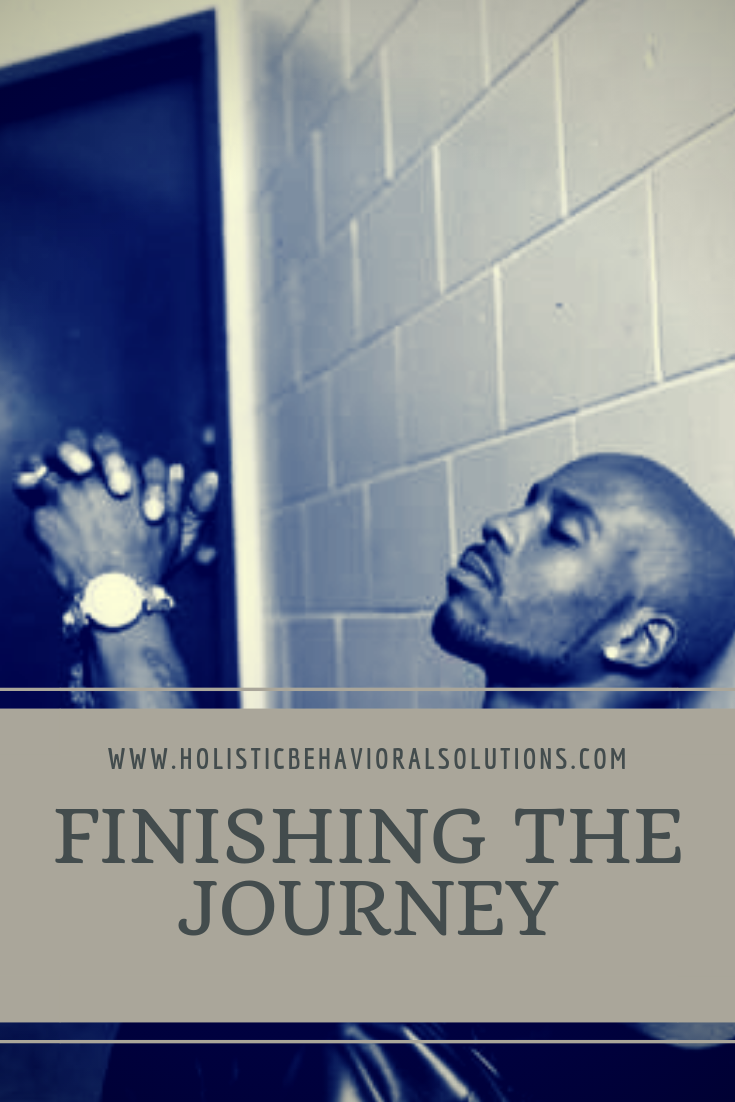
Years ago, an episode of Iyanla: Fix My Life featuring the rapper DMX offered more than a glimpse into celebrity. It opened a real conversation about emotional wholeness, vulnerability, and the cost of living two lives: the one we show the world, and the one we carry in silence. DMX passed away in 2021, but the moment that episode captured is still worth sitting with.
To his fans, he was DMX: gritty, raw, seemingly untouchable. To those closest to him, he was Earl, a father, a son, a man carrying wounds that fame could not ever heal. That televised moment was less about spectacle and more about a universal human struggle: aligning who we are with who we’ve had to become in order to survive. This issue is existential; it affects us all. It’s part of the human experience.
The Public Self and the Private Self
Each of us carries a public persona, a curated version of ourselves shaped by expectation, image, and performance. We also carry a private self: the part that aches, questions, and quietly longs for authenticity. When those two selves fall out of sync, we experience what’s sometimes called an authenticity gap, a persistent internal tension that can show up as anxiety, depression, or coping mechanisms that do more harm than good.
Fame may amplify this disconnect, but it doesn’t create it. We see the same gap show up at work, in parenting, in relationships, anywhere we feel pressure to wear a mask that doesn’t quite fit anymore. We also are in a state of constant change and, hopefully, growth.
Fame as a Double-Edged Sword
Fame intensifies the tension between real expression and something that we can manipulate. For some artists, public recognition validates the work. For others, it distorts the very purpose of the passion that built it. DMX embodied that tension: a man with a message, and pain he hadn’t fully processed. He was vocal about trauma and mental health in a visceral way that showed up in his art.
Sitting with Iyanla Vanzant, viewers saw a glimpse of Earl, the wounded inner child behind the bravado. The moments where he broke down were real. So was the resistance. That push and pull between vulnerability and self-protection is familiar territory for anyone who’s carried early trauma or abandonment. Most of my colleagues get very protective when this comes up, as we should.
When Therapy Moves Too Fast
One of the most sacred parts of therapy is pace. Healing can’t be rushed. When someone feels pushed too quickly, before trust has actually been built, they tend to shut down, withdraw, or reject the process altogether.
Watching that session through a clinical lens, one thing stood out clearly: therapy has to be paced with the client’s actual readiness, not the moment’s demands. Iyanla is a gifted communicator, and her work is groundbreaking in many aspects. In my work as a clinician, I have pushed before trust was established, risking mirroring the very control and abandonment that caused the original wound in the first place. Fortunately, I work with grace-filled individuals who allow me the chance to rectify and rebuild. Human beings have a lot of “bounce” to them. I must admit, they teach me and we both grow from that work.
- Not to “fix” anyone, but to create a space safe enough that the client can do the work themselves
- To hold space and bear witness, not to force a breakthrough on a timeline
- To protect the trust at the center of the relationship, since once it’s broken, it’s hard to rebuild
- To remember that if the space feels unsafe or performative, a client may walk away from more than just therapy. They may walk away from hope itself
You can be celebrated publicly and still be suffering privately. The only real freedom comes from facing the truth inside you, at your own pace, with someone who won’t rush you past it.
What This Moment Still Asks Us
That session was both painful and powerful. It showed what happens when real pain meets public pressure, and how trauma can shape identity long before anyone else can see it happening. Whatever came after for DMX personally, the questions that moment raised are still worth sitting with:
- How do we reconcile who we are with who we’ve had to be?
- Where do we go when our public image speaks louder than our private truth?
- Who holds space for our most honest, unedited selves?
Therapy as a Homecoming, Not a Performance
Therapy, done with care and integrity, gives us room to pause, reflect, and reclaim authenticity: the grief we’ve buried, the identities we’ve outgrown, the emotions we’ve learned to mute, the healing we actually deserve. Therapy happens in the quiet place. It’s a homecoming.
The journey to integrate a public self and a private self is a long one, but it’s worth taking. Our lives are not about perfection or image. It’s about living with integrity, joy, and real emotional freedom, even when the world only sees the celebrated version. Therapy helps with that. One session at a time.
Ready to explore the parts of yourself the world doesn’t see?
If you feel stuck between who you are and who you’re expected to be, let therapy be your refuge. We offer compassionate, confidential care to help you rediscover the person behind the mask.
Contact UsWhile you’re thinking this through, boost your connection from the inside out too. Explore wellness supplements and supplies from our Holistic Store, products that help you feel your best and make it easier to open up and connect on a deeper level.
Are you a culturally competent licensed clinician passionate about guiding others toward resilience? Our practice is growing, and we’re hiring in New Jersey. Visit our Careers page for current openings and join a team dedicated to fostering impactful, inclusive mental health support.
Written by Tamara Pommells, LPC, LCADC, ACS.