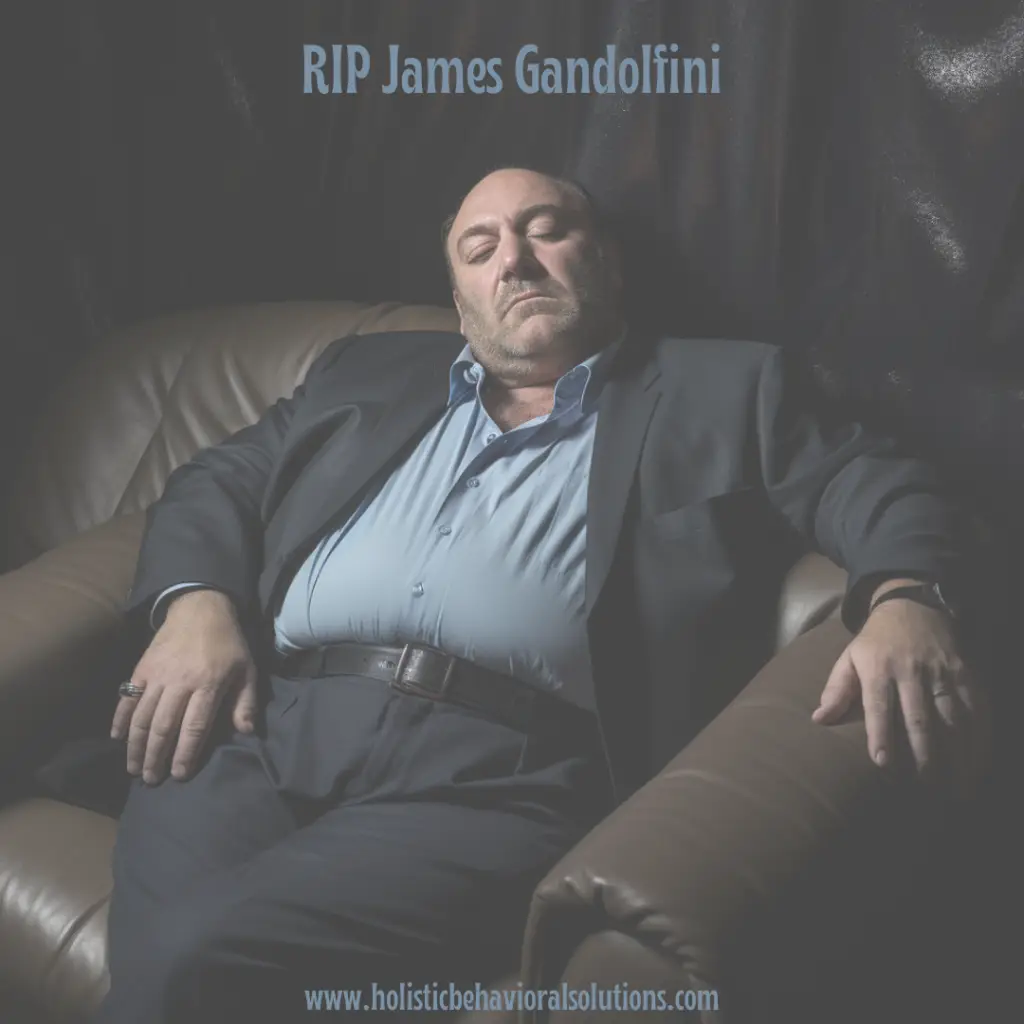
The therapist-client relationship is one of the most intimate relationships a person can have. It’s private, and in some ways, sacred. Few shows have depicted that relationship as honestly as The Sopranos, brought to life by the late James Gandolfini in his role as the tender, tortured Tony Soprano.
Gandolfini was a native of the Garden State and a Rutgers University alumnus who never stopped giving back to his home state and the school he loved. He brought real authenticity to the role, portraying a mobster’s internal battles with a sensitivity that stayed with viewers long after the show ended. Beyond the performance, he was a father and a husband, and a genuine New Jersey favorite. Something about The Sopranos struck a chord in Jersey culture specifically: it let viewers inside a closed world, and it gave “The Boss” a gritty, human dimension few other shows had attempted.
What the Show Got Right About Therapy
Many viewers also got a rare look inside the private world of a therapist through Dr. Melfi’s sessions with Tony. As a clinician, I was pulled in completely, watching her navigate how to work with someone as complicated as him. The Sopranos remains one of the more honest portrayals of the therapist-client relationship on screen. We’re taught to leave our clients at the office, but therapists talk often about “walking around with our clients” between sessions: turning over what to say next, which technique might actually land, whether a reframe will hold. Sometimes our job is to encourage someone toward their best self, even when they can’t see it in themselves yet, and to remind them that change is real and reachable, with the right skill and support behind it.
- Real change is possible even for someone who insists, loudly, that “tough guys don’t need therapy”
- Insight doesn’t require someone to first fix every part of a complicated life
- A good clinician can help redirect energy back toward family, purpose, and self-respect, even amid real chaos
- Fewer panic attacks and a stronger sense of direction are genuine markers of progress, even without a perfect ending
Tony Soprano came to therapy wanting change in his marriage, with his kids, at work, and with his own history. Despite a life defined by crime and violence, he built real insight into his own behavior over time, and Dr. Melfi’s work helped redirect some of that energy back toward the people and purpose that mattered to him. That arc, however fictional, mirrors something true about the actual therapeutic process: progress rarely looks like a clean resolution. It looks like fewer anxiety attacks, a bit more direction, and a little more honesty with yourself than you started with.
Whatever brought you to the door, therapy is not about becoming someone else. It’s about becoming a little more honest with the person you already are.
There’s something else worth saying, and it’s less about the character than about the work itself. A good therapist comes to genuinely care about the people they sit with, session after session, year after year. If Dr. Melfi were real, I believe she would have missed Tony when he was gone, the way any of us would miss someone we’d walked alongside for that long. It’s what happens when the relationship is real, even when it started as work.
Remembering James Gandolfini
As a Rutgers alum myself, I feel that loss personally too. Gandolfini gave so much back to our school and our state throughout his life, and it’s hard to separate the gratitude for that from the loss of him as an actor. He gave audiences a character who let millions of people see a version of therapy, and a version of masculinity wrestling honestly with itself, that television rarely showed. We remember him with real gratitude for what he built, on screen and off, and simply say thank you.
Written by Tamara Pommells, LPC, LCADC, ACS.