The 3 Ways to Emotion Dysregulation Affects Adolescents with ADHD
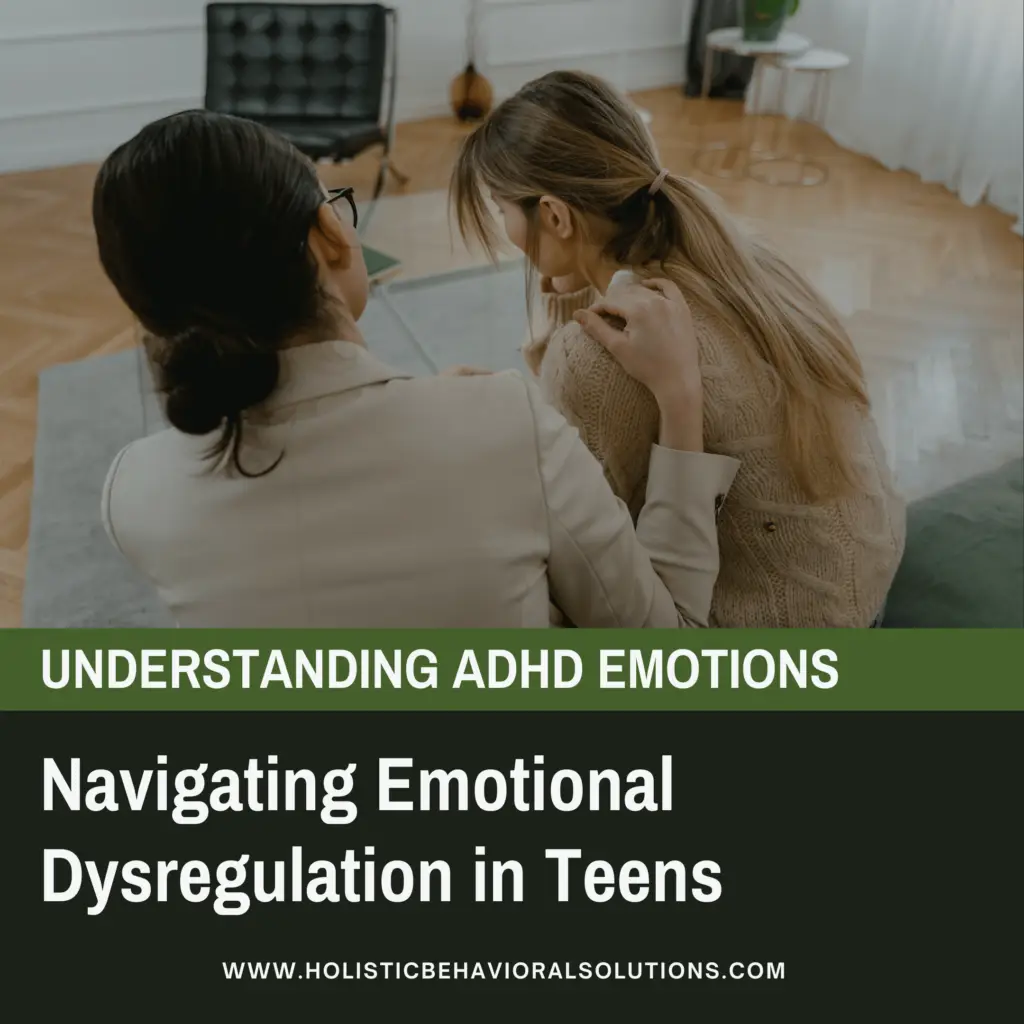
Emotion Dysregulation: Attention-Deficit/Hyperactivity Disorder (ADHD) is a condition that’s often discussed in the context of attention difficulties, hyperactivity, and impulsivity. However, there’s a growing body of research indicating that emotion dysregulation (ED) – the inability to manage and respond to emotional experiences appropriately – is also a significant challenge for those with ADHD, particularly during the tumultuous period of adolescence. Let us look at a recent study aimed at shedding light on how ED manifests in young adolescents with ADHD, its relationship with different ADHD subtypes and comorbid conditions like Oppositional Defiant Disorder (ODD), and its impact on aggression, rule-breaking behavior, and social impairment.
How To Understand Sleep’s Impact on Children with ADHD
The study engaged parents of children aged 6-13 with ADHD in semi-structured interviews to gather their experiences and observations. These discussions revealed that good rest was integral to their children’s ability to manage emotional responses and navigate daily life more effectively. Parents noted improvements in their children’s vitality, self-esteem, and general well-being after a restful night’s sleep, highlighting rest’s critical role in their children’s health and development.