Adolescence is a transformative season. The teenage years are brimming with discovery, emotional upheaval, and a genuine quest for identity. Teens stand at a real crossroads between childhood wonder and the weight of adult realities, navigating experiences that both excite and overwhelm them at once. As parents, guardians, teachers, and mentors, guiding someone through this pivotal chapter of life is both a privilege and a real responsibility.
My Own Journey: From Aunt to Mother
Before I became a mother, I helped raise my nieces and nephews. Only later did I realize how many signs I’d missed, how often they needed more than I recognized at the time. Looking back, I found myself apologizing for mistakes made out of pure inexperience. In their big-heartedness, my nephews assured me I’d done fine. They let me know they forgave my missteps, the same way I’ve had to forgive my own parents theirs. It’s this continuous circle of forgiveness that keeps all of us moving forward.
- We all need grace. Whether you’re a parent, relative, or mentor, admitting when you’ve fallen short fosters deeper bonds and trust than pretending you never do.
- Teens thrive on forgiveness. Adolescents are learning, growing, and testing boundaries constantly. Knowing they can make mistakes and still be loved is what encourages them to keep trying.
Why Teens Are Both Inspiring and Challenging
There’s a particular vibrancy to children: open hearts, easy forgiveness, a real sense of wonder. As they grow, they start trading that carefree spirit for self-consciousness. They begin grappling with rules, social expectations, and the bigger questions of who they actually are. That evolution is natural, but it often brings real frustration and uncertainty along with it, for teens and the adults around them both.
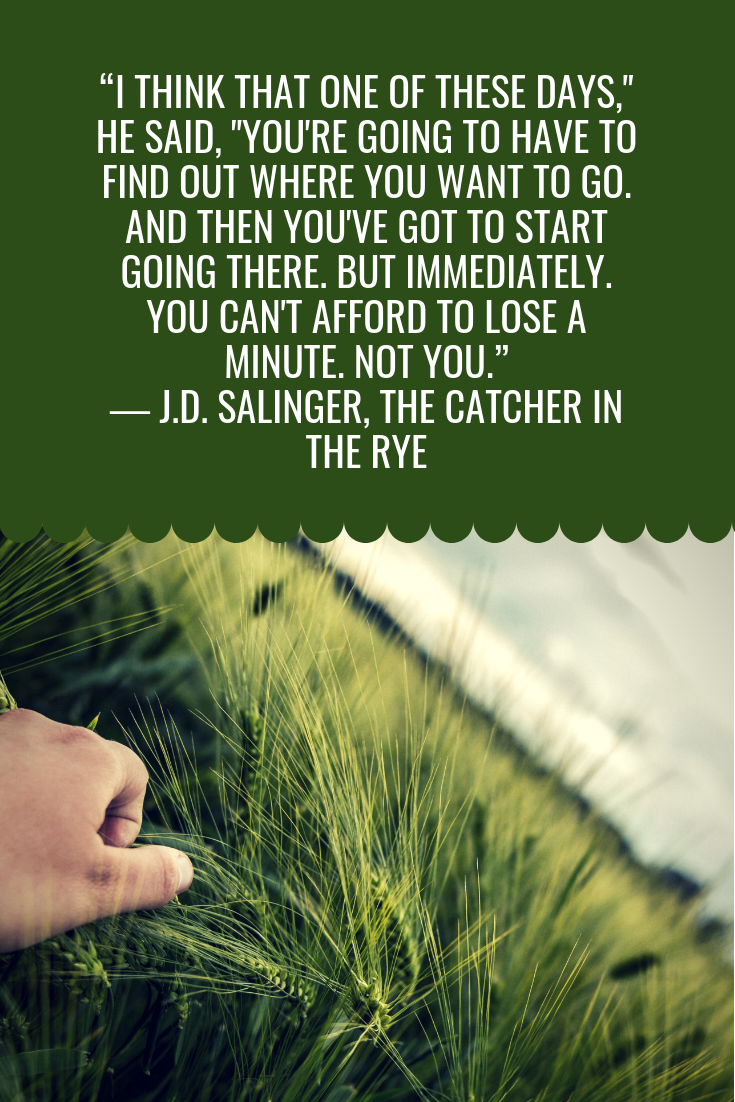
Younger children tend to see the world through a lens of possibility. As they mature, that possibility gets complicated by the realization that life can be unkind, and they begin building genuinely new perspectives on relationships, society, and where they fit in it. J.D. Salinger’s The Catcher in the Rye captured this tension almost perfectly: the sense that time is moving fast, and the search for yourself feels genuinely urgent.
The Dual Quest: Love and Identity
Teens often feel torn between wanting acceptance and fearing what happens if they reveal their true selves. They crave independence and still need real guidance, sometimes in the same afternoon. That tension shows up in changing social groups, trying new activities, or experimenting with different styles. Every choice, however small, is a genuine step on the road to self-discovery.
- Teenagers want to be embraced for who they are, while they’re still actively figuring out exactly who that is
- From social circles to online communities, teens want to fit in and stand out at the same time
Embracing Mistakes, Encouraging Exploration
Trying on new personas, like changing costumes, is a central part of adolescence. Teens will try, and sometimes fail, at sports, hobbies, relationships, and more. Supporting them through those failures matters more than most adults realize. Rather than condemnation, they need empathetic guidance that helps them actually learn from the mistake instead of just feeling ashamed of it.
Next time you see a teen dressed differently, or acting outside the norm, greet them with an open mind. Ask about their day or their interests. That small interaction can help them feel seen, and a little less alone.
Teen Counseling as an Essential Resource
Teen counseling gives adolescents a safe space to explore identity and find real hope in a genuinely supportive environment. Unlike the dual role a parent has to play, both safe space and rule enforcer at once, a trained counselor focuses solely on validating emotions, fostering growth, and building real coping strategies.
Despite not carrying adult responsibilities, teens face intense social pressure and real emotional highs and lows. This population is especially vulnerable to self-harm, in part because they often haven’t yet built the coping tools adults gradually develop over time.
- Validation and empowerment: a counselor’s job is to listen, affirm emotions, and remind teens of their innate worth.
- Promoting self-discovery: teens take the lead in sessions, deciding what to share and which goals to pursue.
- Cultivating hope and structure: turning lofty ideas into tangible, practical steps toward a real goal.
- Balancing boundaries: introducing structure and accountability without stifling a teen’s independence.
A simple smile or greeting can make a real difference. Teens who feel judged tend to close themselves off. A genuine display of warmth can spark belonging instead.
Leaving Teens With Hope
Every teenager carries dreams inside them, sometimes buried under layers of insecurity. Our role is to nurture those dreams anyway. When a teen finds hope, even in the smallest measure, they start believing in themselves a little more than they did the day before.
- Model forgiveness. Share your own stories of mistakes made and lessons learned, out loud, not just in hindsight.
- Encourage self-expression. Whether it’s art, music, sports, or writing, help teens channel emotion creatively instead of bottling it.
- Seek professional support. If a teen you love seems overwhelmed, teen counseling offers specialized care to help keep them on a healthy track.
Adolescence is a chapter filled with both real challenges and real triumphs. With compassion, structured support, and a genuine sense of hope, teens can flourish into confident, self-aware adults. Whether you’re a parent seeking guidance or a teenager yearning to be understood: you’re not alone on this journey. There’s always help, hope, and room left to grow.
While teens work on emotional well-being, it’s equally important to nourish the body and mind from within. Explore our Holistic Store for wellness supplements and supplies designed to support overall health. Feeling good physically can make it easier to open up emotionally, fostering deeper connection and a stronger sense of self.
Written by Tamara Pommells, LPC, LCADC, ACS.

