3 Satisfying Aspects of Parental Responsiveness

Parental responsiveness involves a parent’s ability to sense, understand, and respond to their child’s needs appropriately and sensitively. It includes responding to both the emotional and physical needs of the child in a manner that is perceived as supportive and affirming by the child. This concept is essential for fostering secure attachment, promoting emotional intelligence, and supporting the overall psychological well-being of children.
5 Essential Elements of Effective Black Parenting

Effective Black Parenting is a movement and an evolving landscape of parenting in America that has gained significant attention in recent years. It sheds light on the unique approaches and challenges within African American family dynamics. It turns up the volume on the positive and takes a solution-focused approach to the negative.
Understanding Early Childhood Behavior: What Temperament, Focus, and Brain Activity Reveal
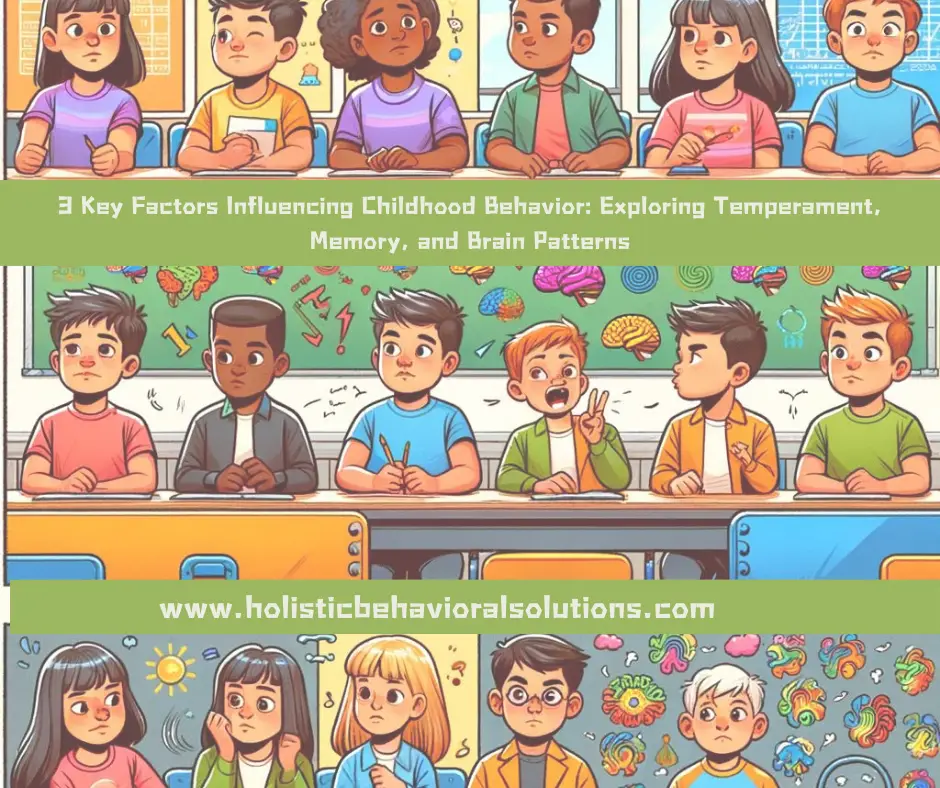
Recent research highlights that certain childhood behaviors—when more intense or persistent than typical—may point to deeper developmental concerns. While it’s completely normal for kids to show moments of defiance or frustration, some behaviors go beyond occasional tantrums. These patterns, tied to a child’s temperament, ability to focus, and even brain activity, can shape long-term emotional […]
5 Ways Community Engagement Combats Social Isolation: Insights and Strategies for Better Mental Health
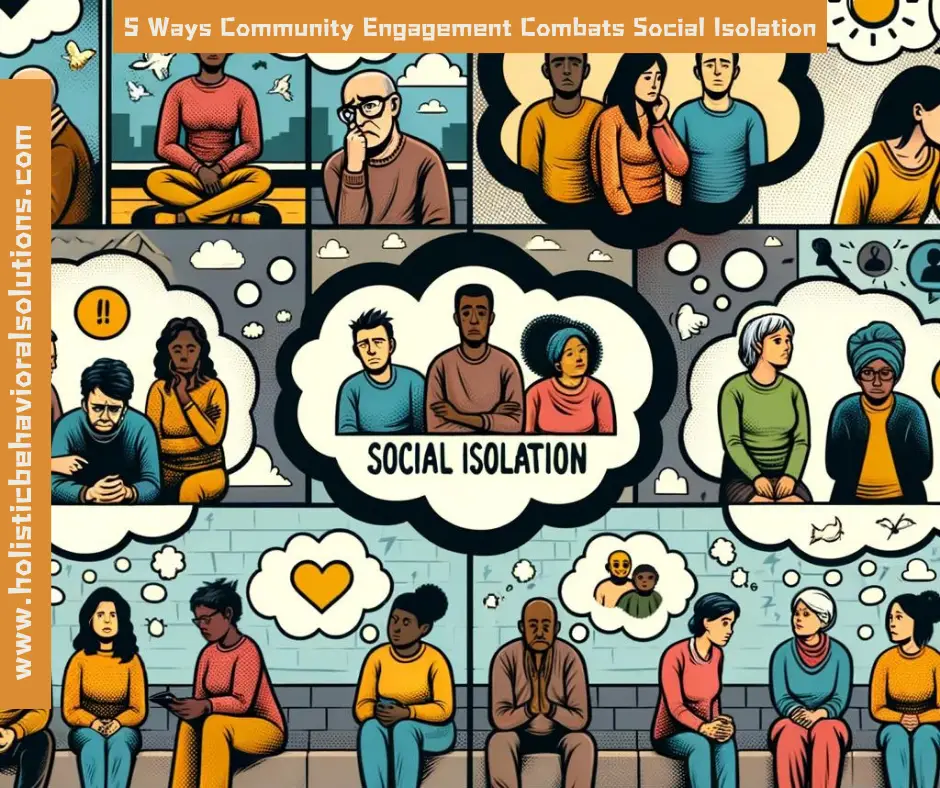
The Interpersonal Theory of Suicidal Behavior, as detailed in scholarly work, posits that the most intense desire for suicide arises from two main interpersonal experiences: thwarted belongingness and perceived burdensomeness, coupled with a sense of hopelessness about these conditions. Social isolation has a significant impact on these experiences. Thwarted belongingness refers to an individual’s feelings of loneliness and a lack of meaningful social connections. Perceived burdensomeness involves feelings of being a liability to others, contributing to one’s sense of insignificance.
How to Understand the Link Between ADHD and Sleep
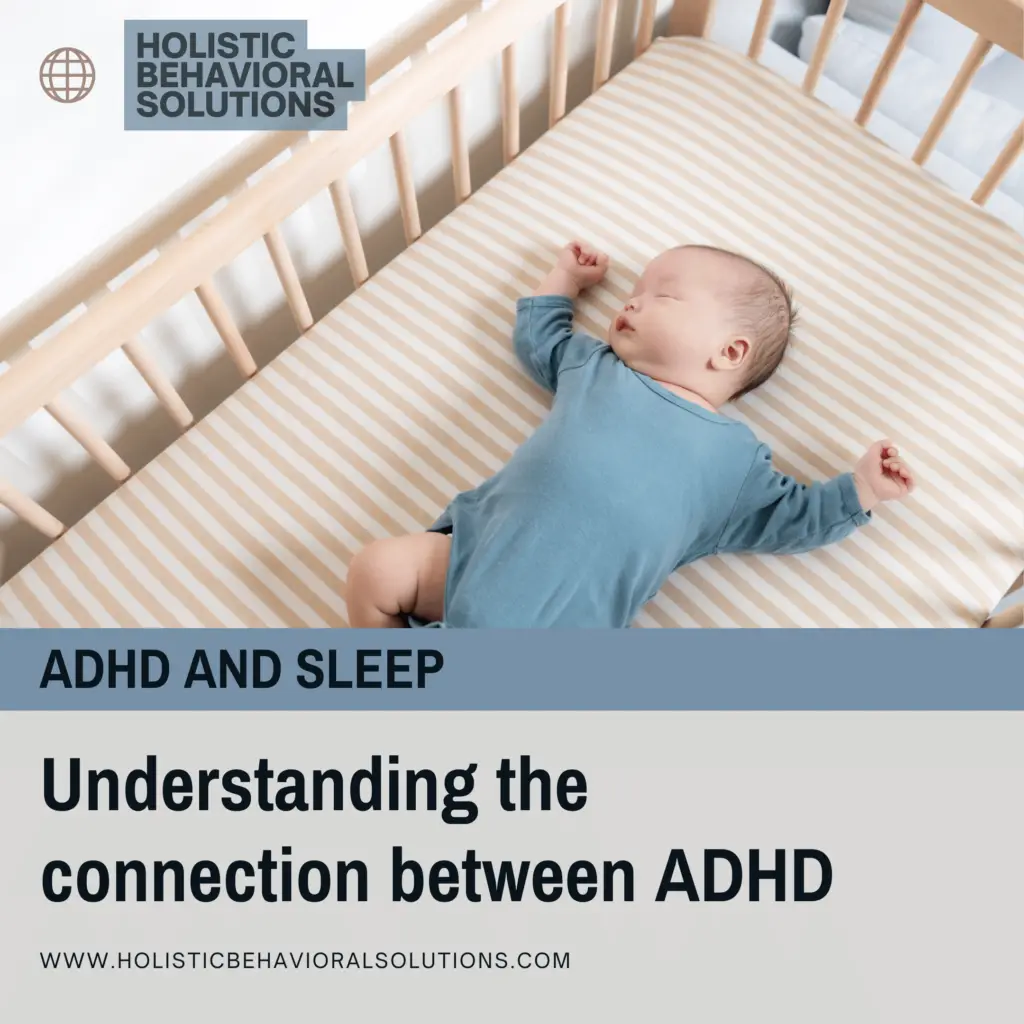
ADHD and Sleep: Attention-Deficit/Hyperactivity Disorder (ADHD) is a complex neurodevelopmental condition that affects millions worldwide, manifesting in various symptoms like inattention, hyperactivity, and impulsiveness. However, an often overlooked aspect of ADHD is its strong correlation with sleep disorders, particularly the Delayed Sleep Phase Disorder (DSPD). DSPD is a circadian rhythm sleep-wake disorder that significantly affects the sleep patterns of 73-78% of individuals with ADHD. This connection between ADHD and sleep disorders opens up a new realm of understanding and managing ADHD.